Services
Power and environmentally conscious enterprises
CheonjiencPhotovoltaic System
A power generation system that directly converts sunlight into electrical energy,
consisting of modules made up of solar cells that generate electricity through the photoelectric effect,
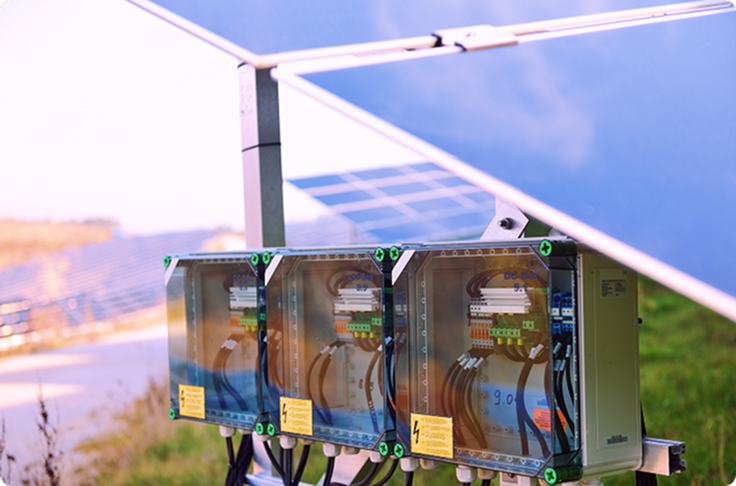
and a power conversion device (inverter).
pros
cons
- Clean and unlimited energy source
- Power generation possible at required locations and capacity
- Easy maintenance, automation possible
- Long lifespan (over 20 years)
- Power generation depends on regional solar radiation levels
- Low energy density requires large installation area
- Limited installation sites
Application Fields
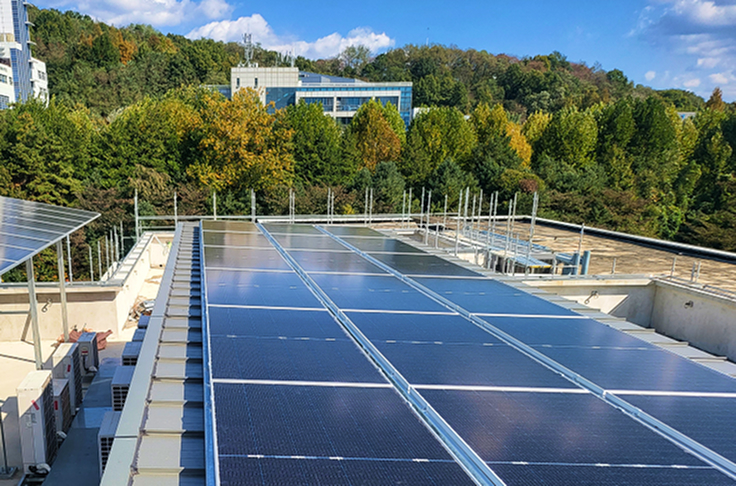
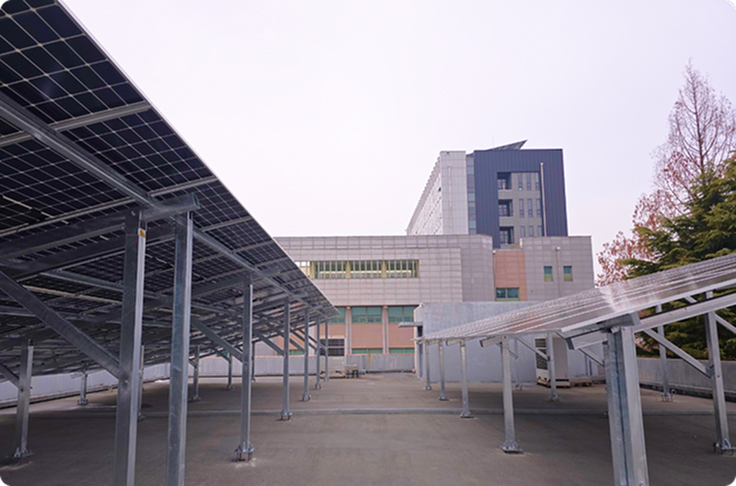
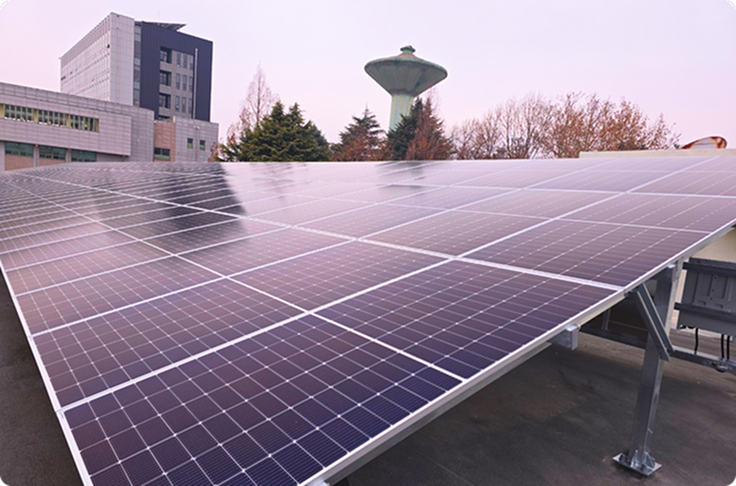
Installed on the roofs or walls of houses, buildings (public, commercial, industrial), and parking lots.
Can also be installed on land, forest areas, or water surfaces.
Business Areas
Residential Support Program
- The government provides partial financial support for the installation cost when new and renewable energy systems are installed in residential buildings.
Building Support Program
- The government provides free subsidies and support covering a portion of the installation cost for new and renewable energy systems.
Local Support Program
- Supports renewable energy installation projects promoted by local governments to improve energy supply conditions and foster regional economic development through the expansion of new and renewable energy use.
Mandatory Installation Program
- Public institutions, including national and local governments, are required to use new and renewable energy for at least a specified percentage (27% as of 2019) in buildings with a total floor area of 1,000㎡ or more that are newly constructed, expanded, or remodeled.
Solar Power Generation Business (RPS)
-
A system that mandates power generation companies (suppliers) with facilities of 500MW or more
to produce and supply a certain percentage of their total electricity generation
using new and renewable energy sources.